Content
Funded by Charles and Linda Wilson, the Humanities in Medicine program works with the UNMC program each year to bring a speaker to both campuses to speak on humanities topics related to medicine.

“The Flying Death: A History of Curare from the Amazon to the Operating Room, with stops in Lincoln and Omaha”

Thursday, November 19, 2026, 5:00 p.m.
Heritage Room, Nebraska Union
In the 1930s and 40s, amateur explorers and hardened plant hunters combed the Amazon in a race to unlock the secrets of curare, an Indigenous poison they hoped could cure many diseases. Curare had a major impact on the practice of medicine as it became routinely used in shock therapy to treat psychiatric disorders, transformed anesthesia and surgery across the globe, and led to a Swiss scientist’s Nobel prize.
Drawing on oral histories and archives, including collections at the University of Nebraska, O’Hara brings to life this epic quest, a stranger-than-fiction story that moves from Indigenous lands in the Amazon to rogue medical trials in Lincoln and Omaha to cutthroat strategizing in corporate boardrooms. He also poses searching questions about who receives the glory and profit when medical progress is made, and who pays the price.
Matt O’Hara is professor of history at the University of California, Santa Cruz. He is the author or editor of four books on the history of Latin America. This talk draws on his forthcoming book, The Flying Death: Poison, Plunder, and the Quest for a Miracle Medicine in the Amazon, for which he was named a National Endowment for the Humanities Public Scholar.
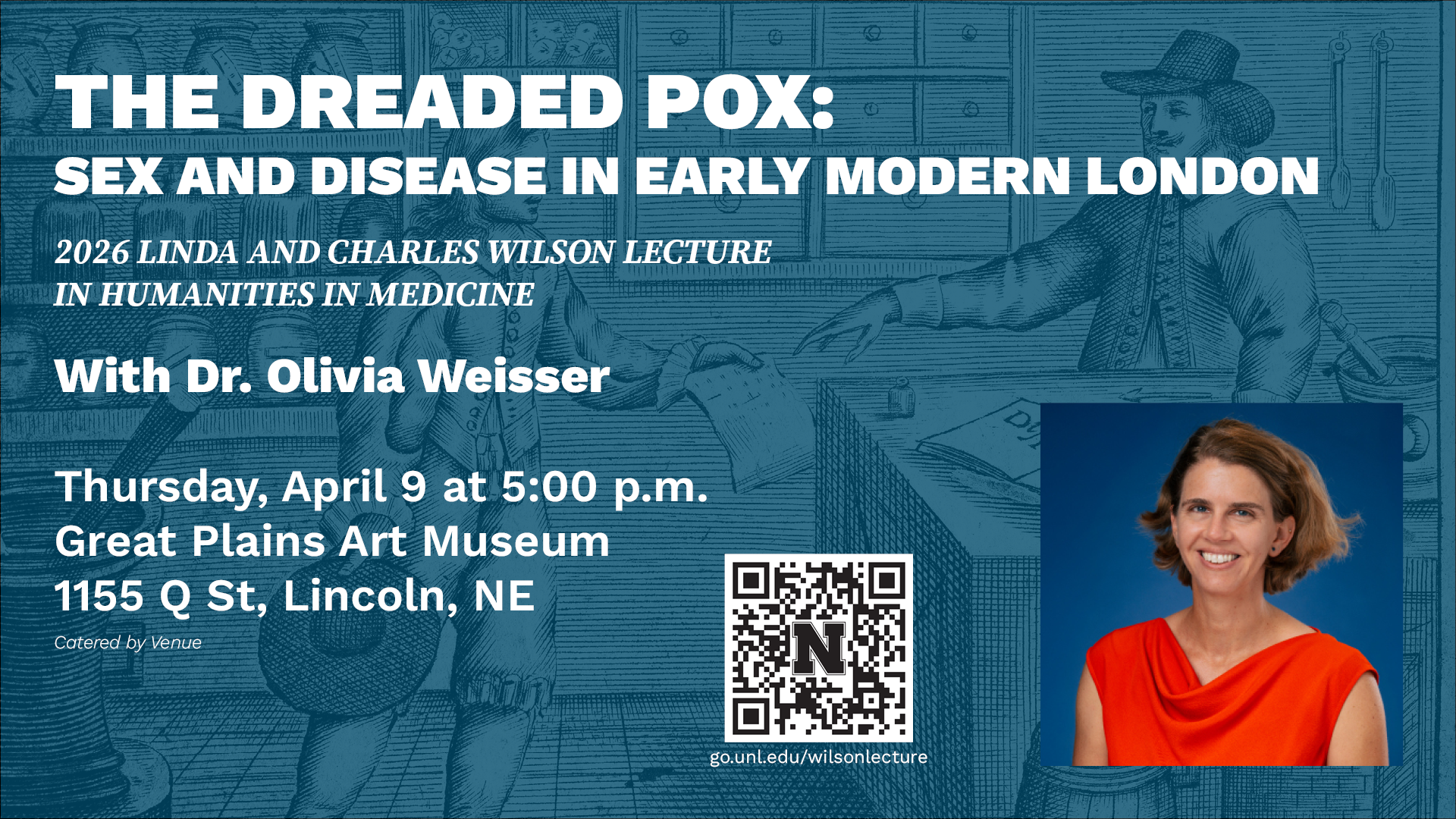
2026
Olivia Weisser is Associate Professor of History at the University of Massachusetts Boston. The Dreaded Pox (Cambridge University Press, 2026) is about life in London in the 17th and 18th centuries told from the perspective of venereal disease.
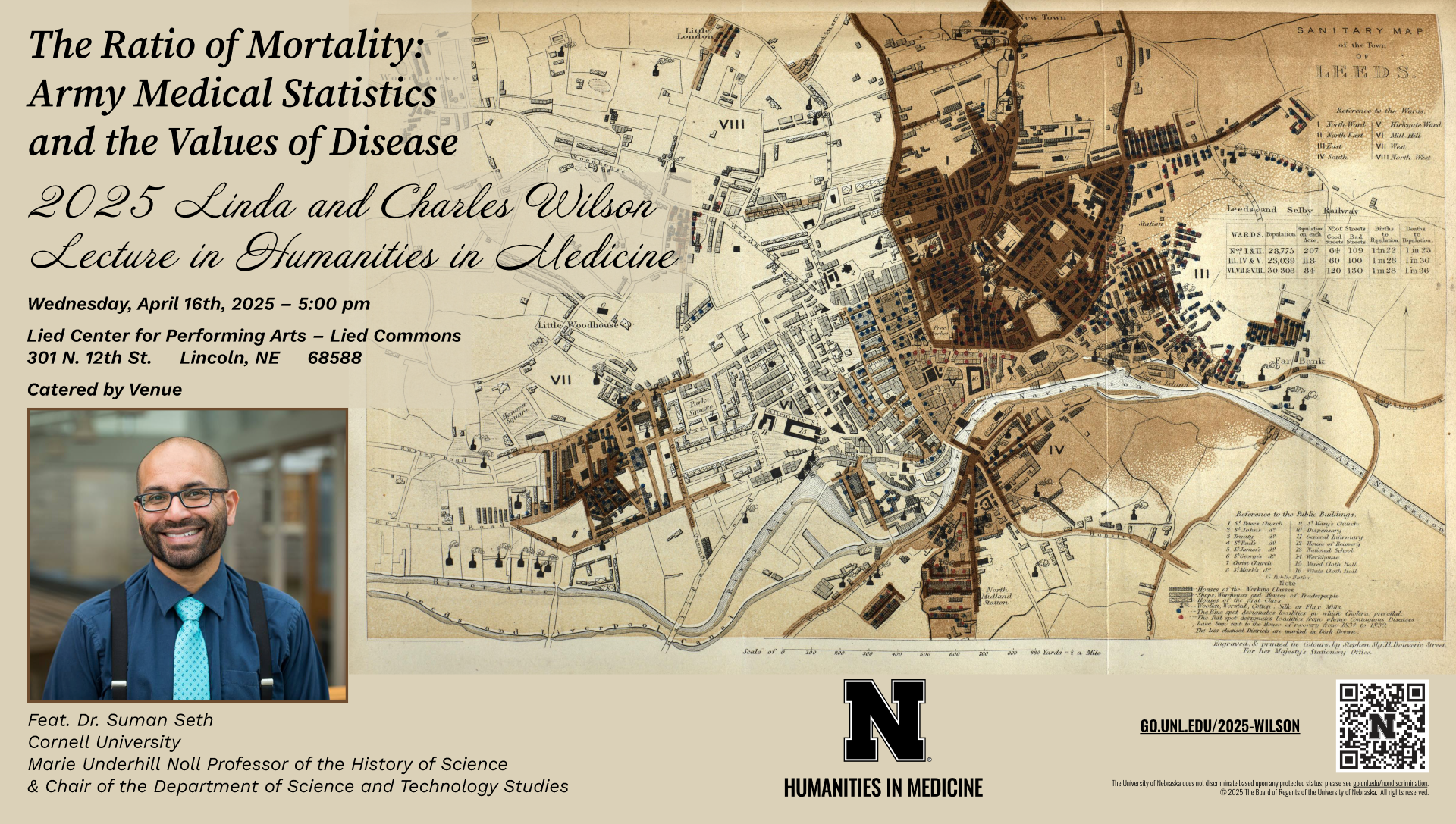
2025
Suman Seth is the Marie Underhill Noll Professor of the History of Science and Chair of the Department of Science and Technology Studies. His latest book is Mortality and Measurement: Race-Medicine, Statistics, and the Making of Empire.
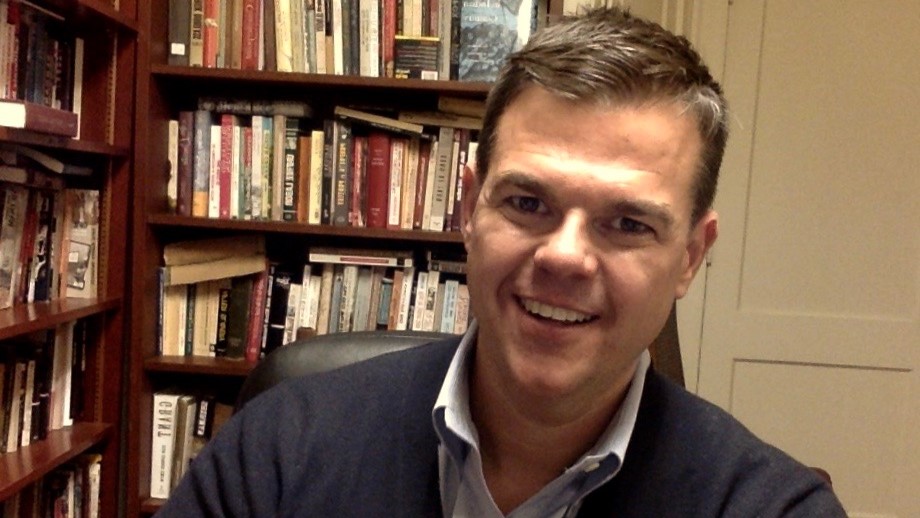
2023
Jim Downs, the author of Maladies of Empire: How Colonialism, Slavery, and War Transformed Medicine, rethinks the history of epidemiology by uncovering the untold ways that slavery, imperialism, and war created built environments—ships, plantations, and battlefields—that enabled physicians to study the spread of infectious disease.
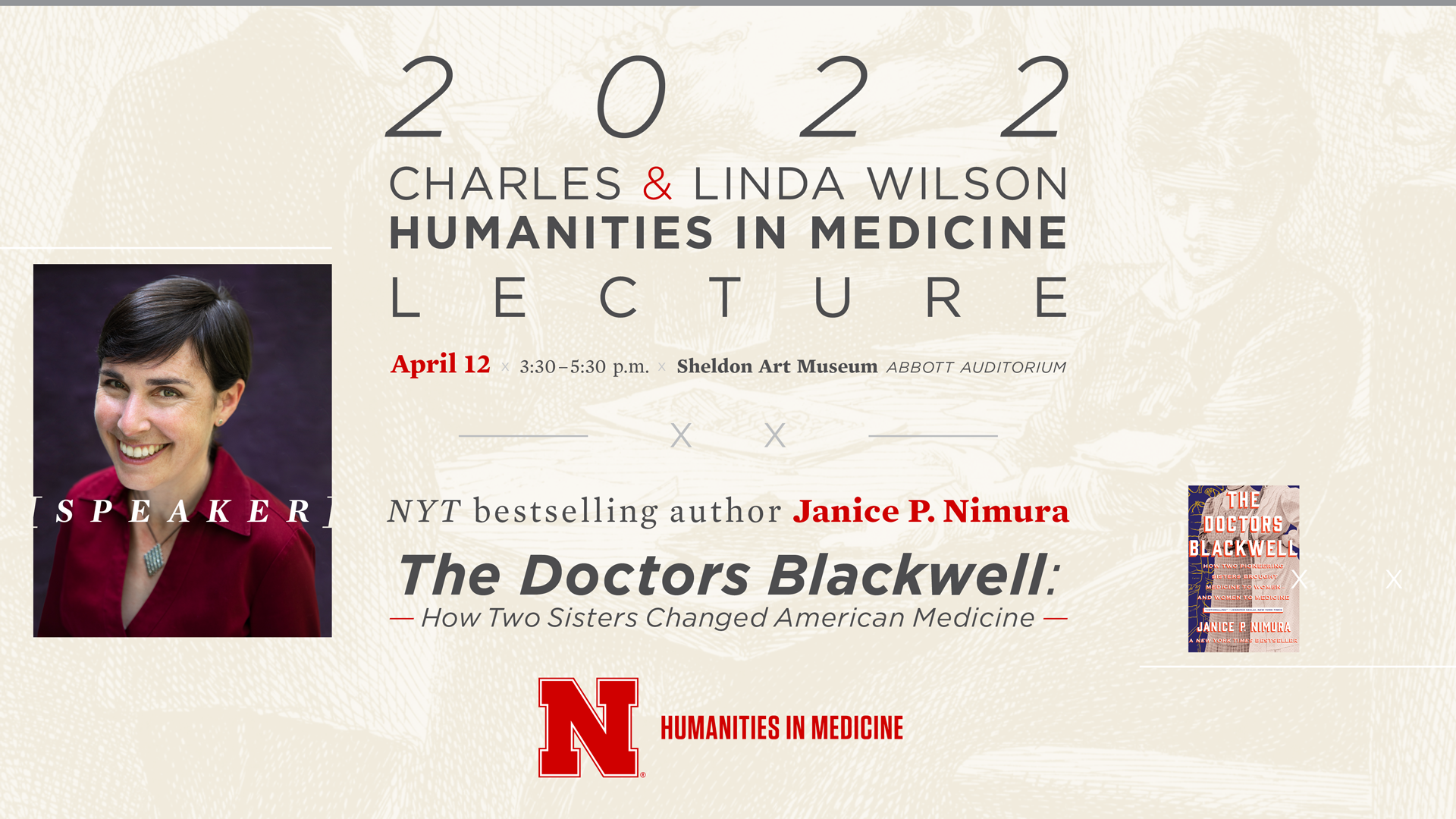
2022
Janice P. Nimura is a New York Times bestselling author whose book was a finalist for the 2022 Pulitzer Prize in biography. Her essays and book reviews have appeared in the New York Times, the Washington Post, Smithsonian, and other publications. She majored in English at Yale and completed an M.A. in East Asian studies at Columbia University.
2021
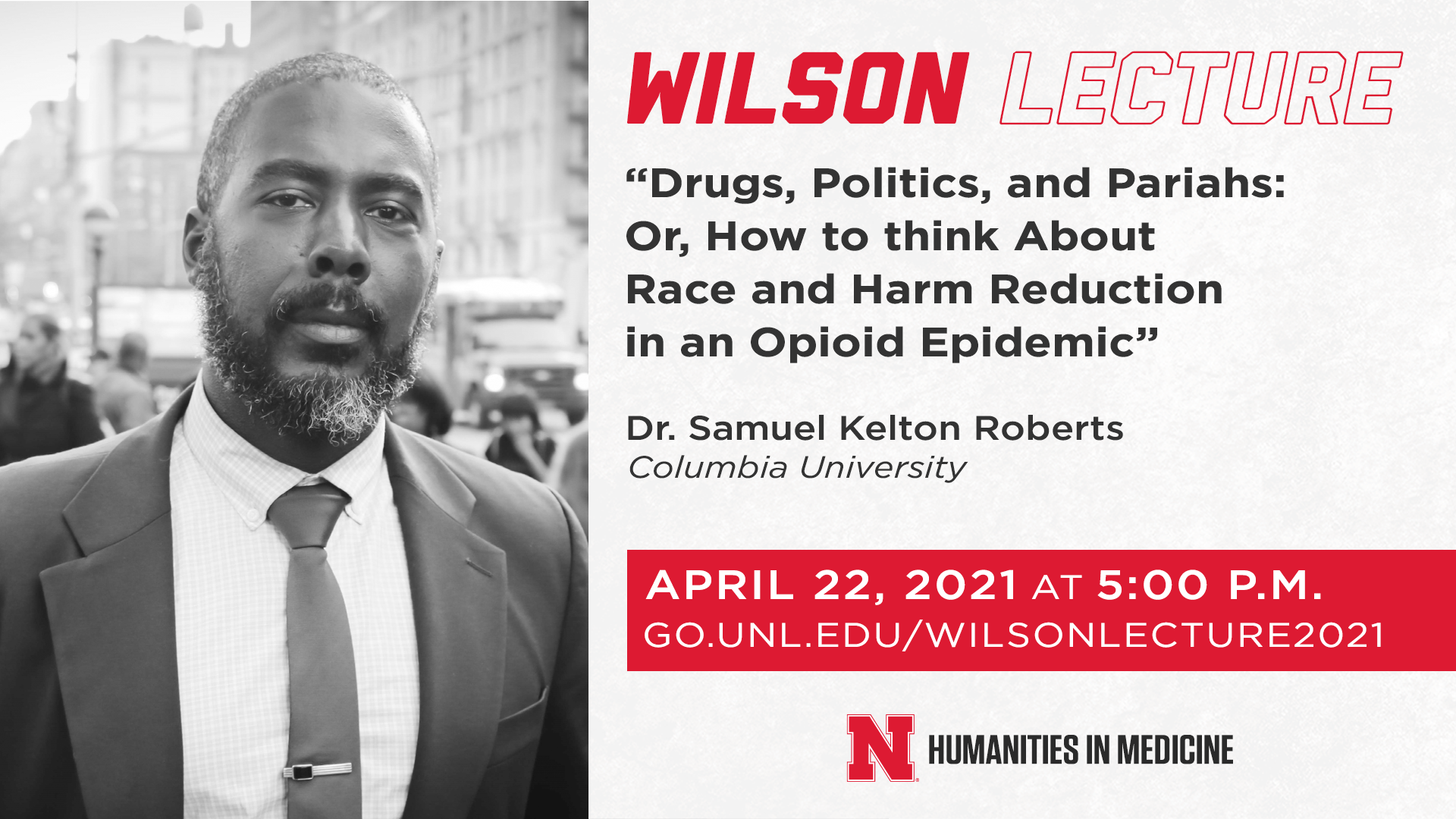
Samuel Kelton Roberts, PhD presents a history of race and the current opioid crisis, also stopping to offer thoughts about how harm reduction can and should be infused with racial and economic justice agendas.
2019
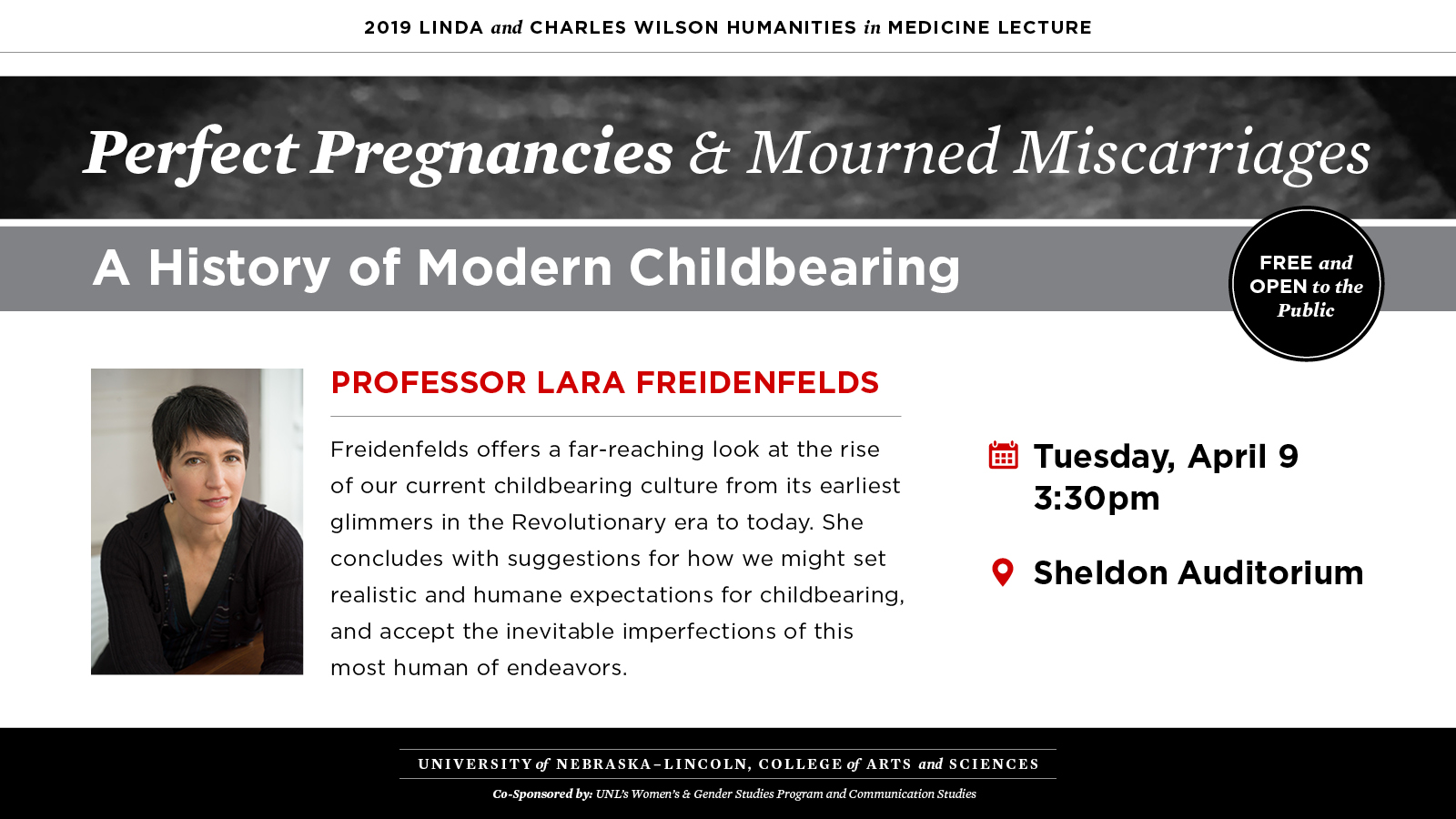
Dr. Lara Freidenfelds offered a far-reaching look at the rise of our current childbearing culture from its earliest glimmers in the Revolutionary era to today, with suggestions for realistic and humane expectations. A historian of health, reproduction, and parenting in America, Freidenfelds holds a doctorate in history of science and a bachelor’s degree in social anthropology from Harvard University.
2018
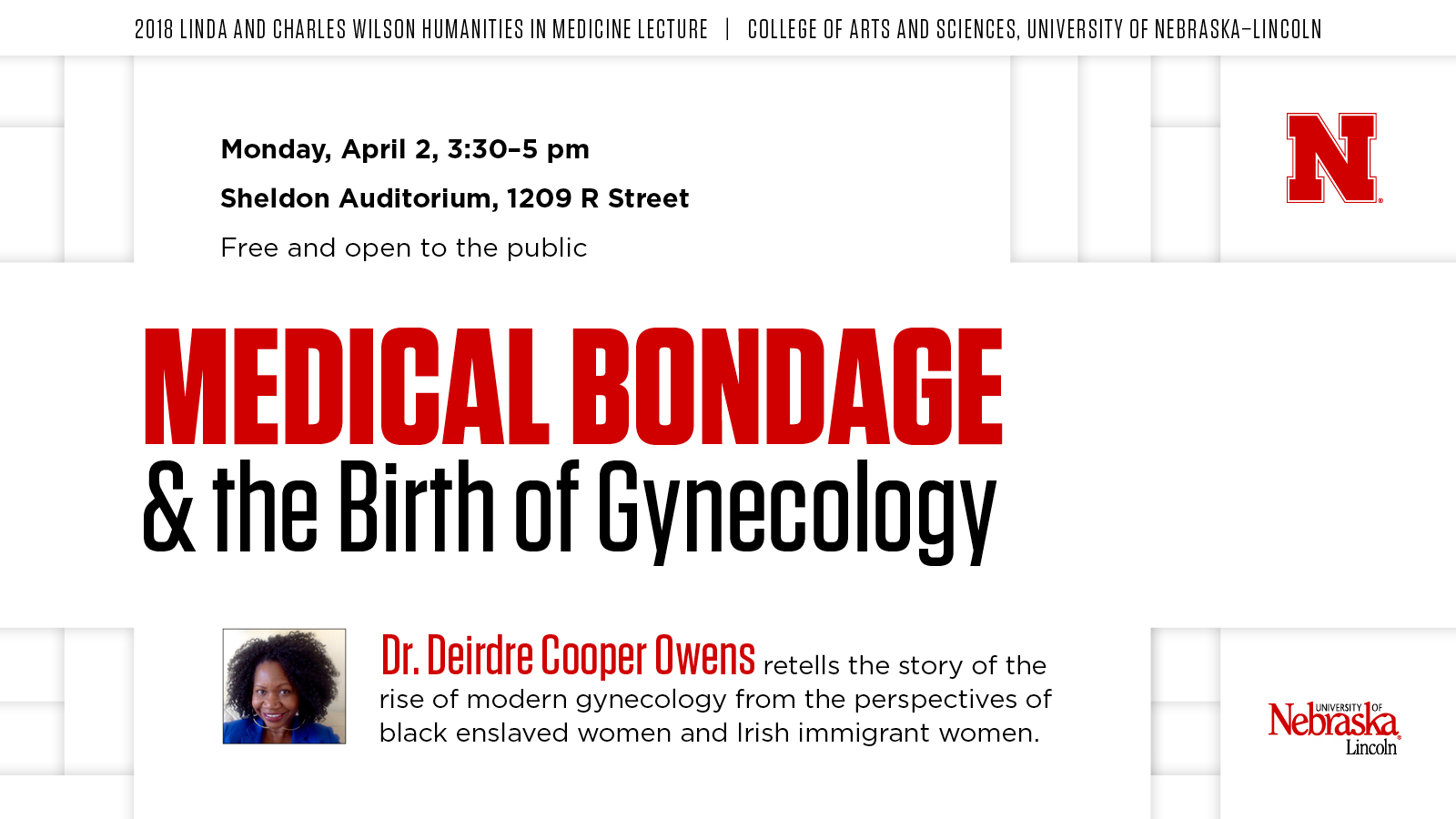
Dr. Deirdre Cooper Owens moved between southern plantations and northern urban centers to reveal how nineteenth-century American ideas about race, health, and status influenced doctor-patient relationships in sites of healing like slave cabins, medical colleges, and hospitals. She retold the story of the rise of modern gynecology from the perspectives of black enslaved women and Irish immigrant women.
2016
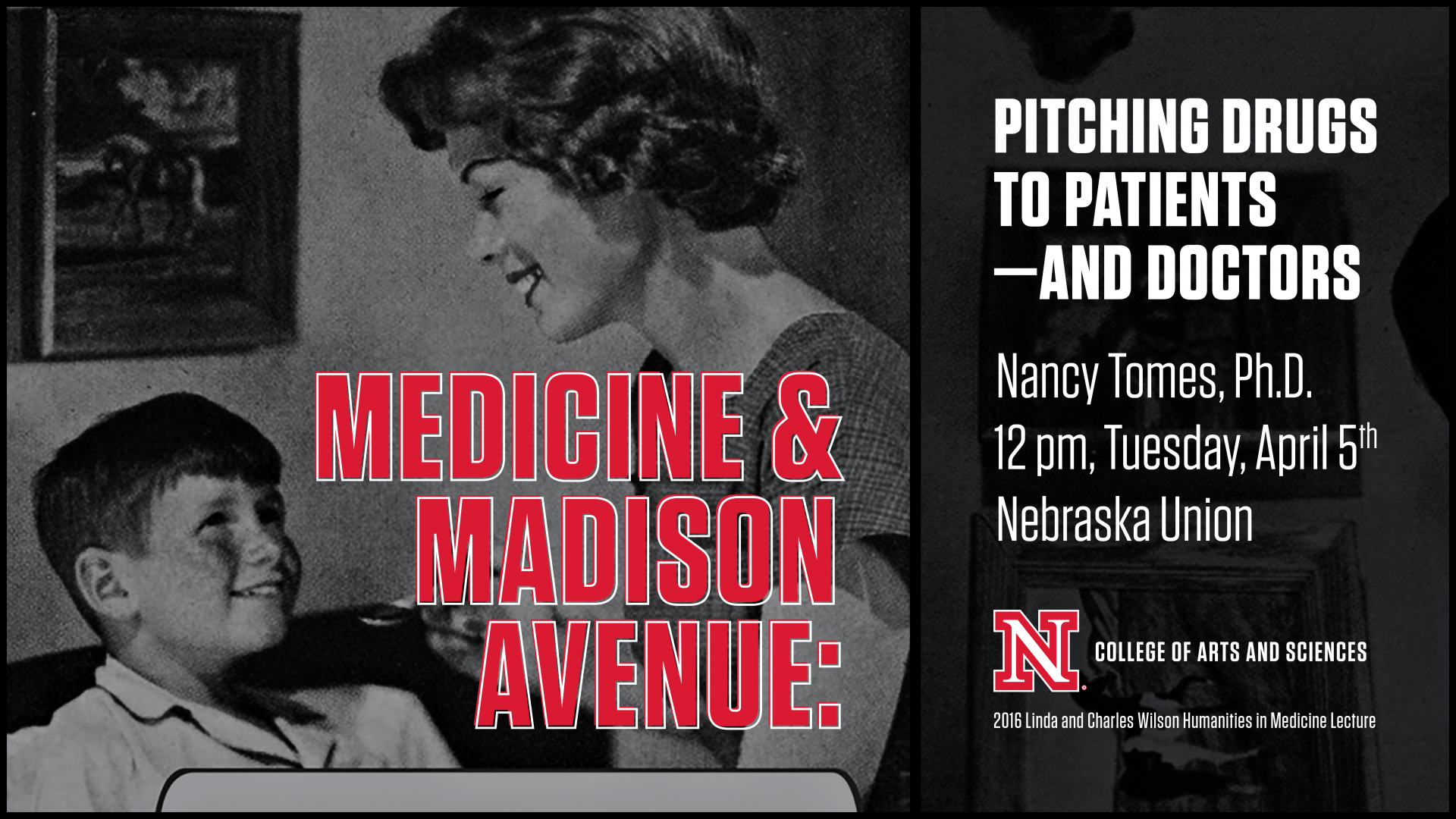
Nancy Tomes is a Distinguished Professor of History at Stony Brook University, State University of New York (SUNY).
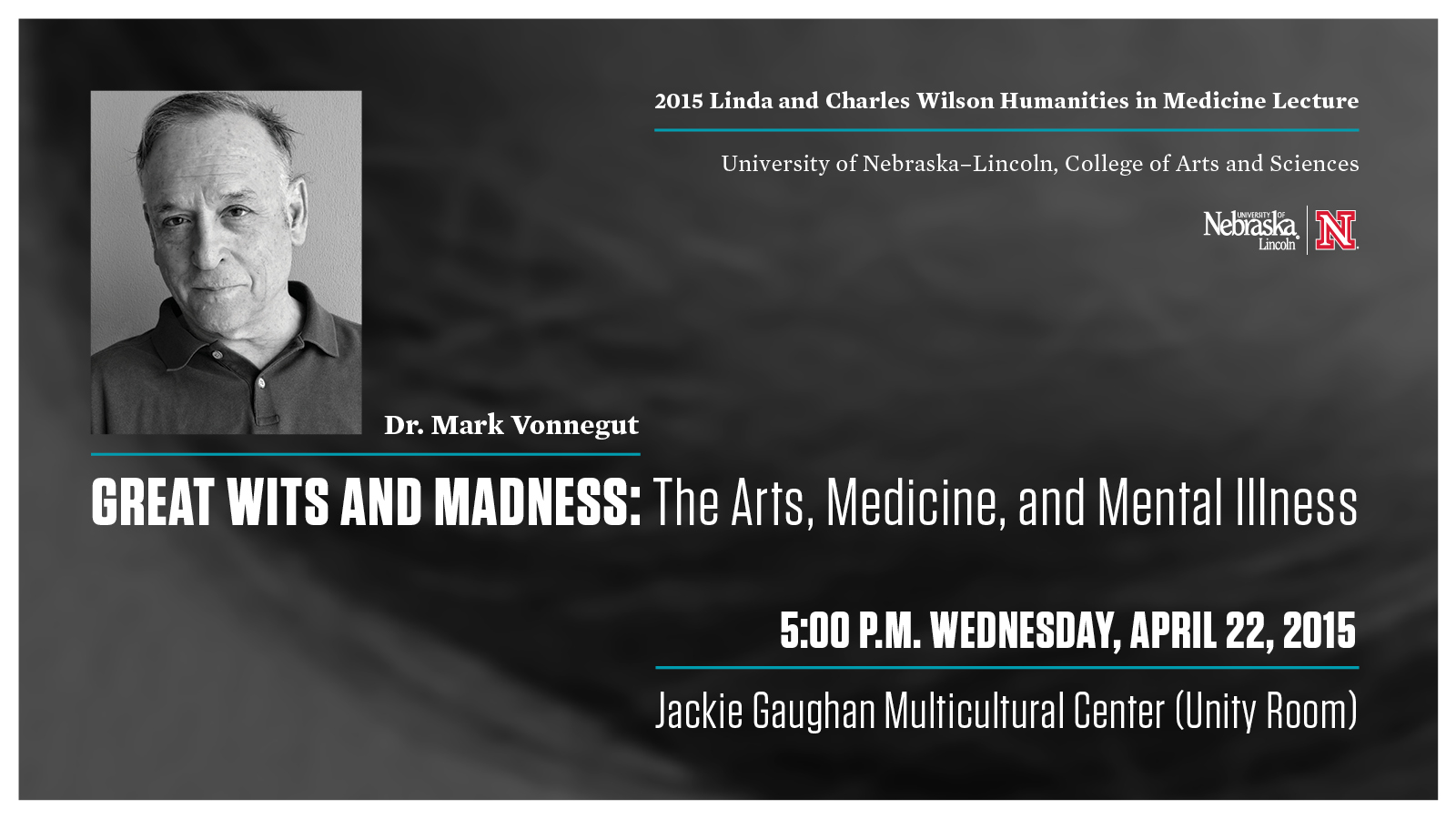
2015
Dr. Mark Vonnegut is the author of several books, including The Eden Express: A Memoir of Insanity (1975) and Just Like Someone Without Mental Illness Only Moreso (2010).